What Is Measure PF?
Everything you need to know about the proposed Public Safety Parcel Tax on the June 2026 ballot — what it does, what it costs, and what to consider.
What's on This Page
The Short Version
Measure PF is a proposed parcel tax — a flat annual fee added to every property in Palos Verdes Estates — to fund police, fire, and emergency medical services. It would replace the expiring Measure E (which currently funds about 65% of the police department's budget) and expand coverage to also include fire and paramedic services.[1]
It was placed on the ballot through a citizen initiative petition, not by the City Council. It requires a simple majority (50%+1) to pass.[2]
What's a parcel tax?
Unlike property taxes (which are based on your home's assessed value), a parcel tax is a flat fee charged per property lot, sometimes with an additional charge based on the square footage of buildings on the lot. Every property owner pays, regardless of their home's market value.
Why Is This Happening Now?
Palos Verdes Estates has a structural money problem. Here's the background:
The Prop 13 Factor
Due to how Proposition 13 allocated property tax revenue decades ago, Palos Verdes Estates only keeps about 11 cents of every property tax dollar you pay. The rest goes to schools, LA County, and special districts. This means PVE has far less general revenue than most cities of its size.[3]
Measure E, the current police parcel tax, was approved by voters in 2018 with 69% support. It generates about $5.1 million per year and is set to expire in July 2027. Without a replacement, the city loses the funding source for most of its police department.[4]
Meanwhile, PVE is already running a deficit. The city's FY 2025–26 budget had to use $1.97 million in one-time reserves just to balance, and the structural deficit is projected to exceed $3 million annually and grow from there.[5]
PVE has virtually no commercial tax base. There's no significant business district generating revenue. This is why the burden falls so heavily on residents.[3]
Measure E → Measure PF
If you remember voting on Measure E in 2018, Measure PF is essentially its proposed successor — but with significantly higher rates, expanded scope (adding fire/EMS), and a built-in 3% annual escalator that Measure E did not have.
What Would You Actually Pay?
Measure PF calculates your tax using two components:
Base rate: $990 per lot (in year one, FY 2026–27).
Improvement rate: $0.67 per square foot of building improvements on your property.[1]
📈 Calculate Your Cost
Enter your home's square footage below. Both rates increase 3% every year — the table shows your cost over the full 11-year life of the measure.
For reference: under Measure E, you currently pay $342/lot + $0.20/sq ft. So Measure PF represents a significant increase — roughly tripling the per-lot rate and more than tripling the per-sq-ft rate.[4]
📅 Your 11-Year Cost Breakdown
This table updates automatically based on the square footage and lots you entered above.
| Fiscal Year | Base Rate | Per Sq Ft | Your Annual Tax |
|---|
Compared to what you pay now (Measure E)
Your current Measure E cost: $912.00/year.
Your Measure PF year-one cost: $2,899.50/year.
That's an increase of $1,987.50 in the first year alone.
The 3% Annual Escalator — Pay Attention to This
Starting in FY 2027–28 (year two), both the base rate and the improvement rate automatically increase by 3% every year, compounding on the prior year's rate. This continues for the full duration of the tax through FY 2036–37.[1]
What "3% compounding" means in practice
This isn't a flat $30/year increase. Each year's 3% is calculated on the already-increased prior year amount. Over the 11-year life of the tax, your bill grows by about 34% total from where it started. There is no cap beyond the 3% formula, and no vote required to apply the annual increase — it's automatic.
Why does the escalator matter?
The 3% annual increase is locked into the measure text. The City Council cannot lower it, and voters don't get to weigh in on it year-by-year. If inflation runs below 3%, you're paying above-inflation increases. If inflation runs above 3%, the city may argue the increase isn't enough. Either way, this is on autopilot for 11 years once approved.
Where Does the Money Go?
The ordinance restricts funds to "public safety services" only, defined as:[1]
1. PVE Police Department — salaries, benefits, training, equipment, facilities
2. Fire & emergency medical services — the city's contract with LA County Fire
The money goes into a dedicated "Public Safety Parcel Tax Fund" that is separate from the general fund. It cannot legally be spent on road repairs, parks, city hall, or anything else.
Current Measure E ($5.1M/yr)[4]
Proposed Measure PF (~$16.25M/yr)[6]
| Category | Current Measure E | Proposed Measure PF |
|---|---|---|
| Police Department[5] | $5.1M (100%) | ~$8.2M (50%)[6] |
| Fire & EMS Services[5] | $0 (not covered) | ~$7.2M (45%)[6] |
| Fire Prevention & Weed Abatement[5] | $0 (not covered) | ~$0.5M (3%)[6] |
| Emergency Preparedness[5] | $0 (not covered) | ~$0.35M (2%)[6] |
| TOTAL | $5.1M | ~$16.25M |
Important note on these proportions
Measure PF was placed on the June 2026 ballot through a citizen initiative petition by the resident-led group "PVE Residents for a Safe, Secure Future," who gathered 1,589 signatures to qualify it. The proportions shown above are estimates based on current FY 2025–26 department budgets — the ordinance itself does not lock in specific percentages, only that funds must be spent on public safety services.[1]
Who oversees the money?
The ordinance requires:[1]
- Annual accountability reports from the city's Finance Director
- Independent audits by a CPA firm
- Citizen oversight committee review
- All reports must be published on the city website
Who benefits from this measure passing?
Directly: The PVE Police Department (continued funding) and LA County Fire (continued contract payments).
PVE police officers and staff whose positions depend on parcel tax revenue.
Indirectly: All residents who rely on police, fire, and emergency medical response in PVE.
Without replacement funding, service levels would likely need to be significantly reduced.
Key Protections and Limits
⏰ Sunset clause: The tax expires after FY 2036–37 (11 years). Extending it beyond that would require a new voter-approved measure.[1]
🚶 Police-tied provision: If the city ever disbands the PVE Police Department and contracts with the LA County Sheriff instead, the tax is automatically suspended. It only continues as long as PVE maintains its own police force.[1]
🔒 Amendment restrictions: The City Council cannot increase the rate above the voter-approved amount, redirect the money to non-public-safety purposes, or extend the tax beyond the termination date — unless two-thirds of voters approve it.[1]
What's NOT included
The ordinance text does not mention any exemptions or discounts for seniors, low-income residents, or residents on fixed incomes. The city's website mentions these are "under discussion" for any future measure, but they are not in this ordinance as written.[1]
Arguments For and Against
✅ Arguments For
- Without replacement revenue, the city loses $5.1M/yr when Measure E expires in 2027
- PVE's independent police department and fire services require dedicated funding
- The city has very limited revenue alternatives due to Prop 13 and virtually no commercial base
- Built-in oversight, audits, and a sunset clause provide accountability
- Only requires simple majority (50%+1) to pass
- Expanding to cover fire/EMS provides more comprehensive public safety funding
❌ Arguments Against
- The 3% annual escalator compounds automatically with no voter check-in for 11 years
- Year-one rates are roughly 3× the current Measure E rates
- No senior, disabled, or fixed-income exemptions in the ordinance text
- Does not address the city's underlying structural deficit or revenue diversification
- PVE already pays the highest parcel tax assessments on the Peninsula
- The roughly $9 million freed up in the general fund has no independent oversight.
The Bigger Picture
Measure PF addresses a real and urgent funding gap — but it treats the symptom (not enough revenue) without addressing the underlying cause (an almost entirely residential tax base with little commercial revenue to speak of). PVE has no meaningful business district, which will continue to limit it's financial growth.
Who Supports This Measure?
The following individuals and organizations have publicly expressed support for Measure PF. This section will be updated as more endorsements are announced.
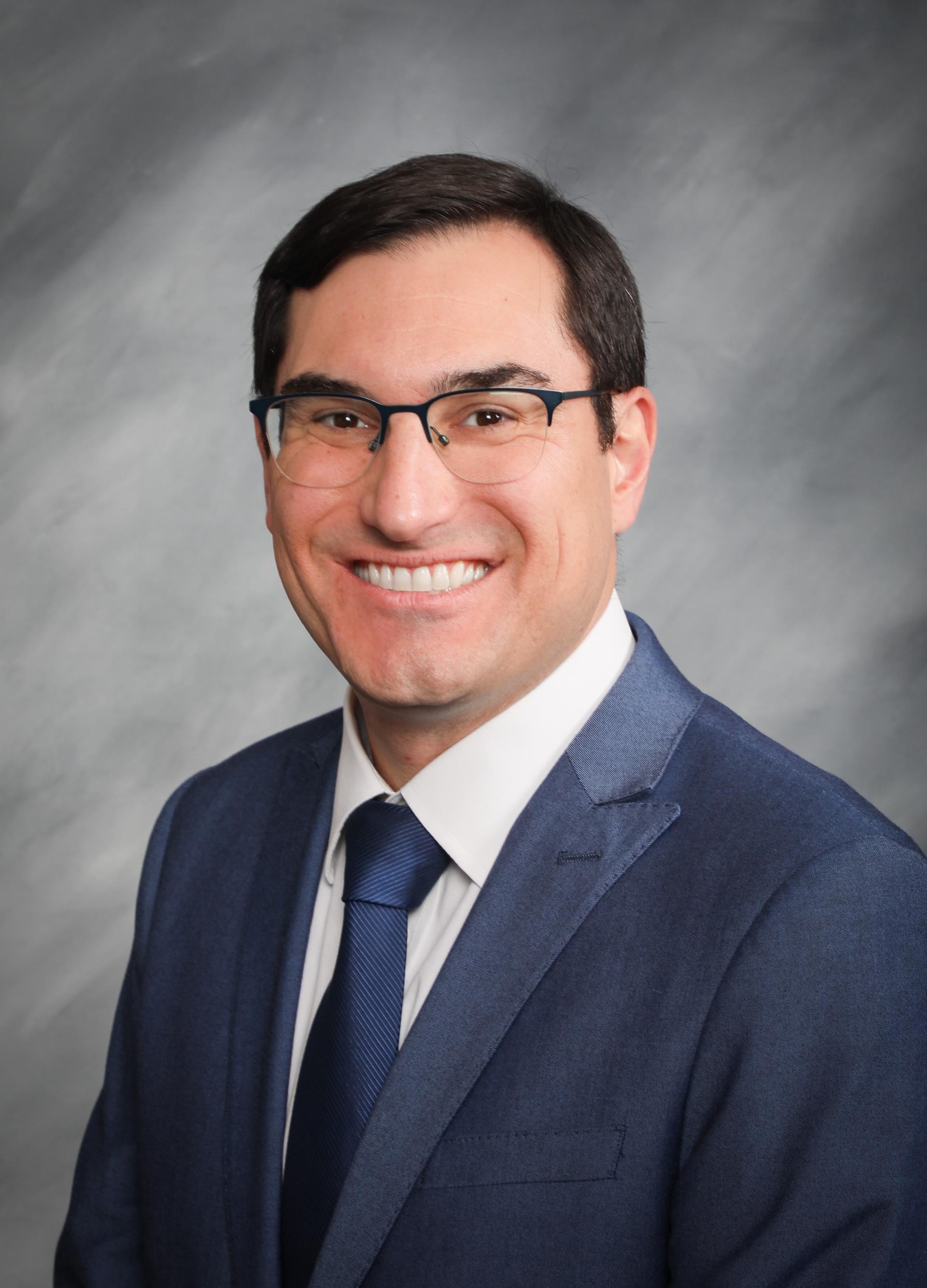
Endorsements — To Be Updated
As of the publication of this page, we are compiling publicly stated endorsements. Check back for updates, or let us know if we're missing anyone.
Note: Being listed here means the individual or organization has publicly stated support. It does not imply endorsement of this website or its content.
References
- City of Palos Verdes Estates. "Measure PF — Public Safety Parcel Tax Ordinance." Full ordinance text as filed for the June 2, 2026 Special Election. Palos Verdes Estates, CA, 2026. Click this link to view the full Measure PF proposal on pvefuture.com.
- California Elections Code, Section 9215 - Section 9217. Citizen initiative petition requirements for special taxes in general law cities. Click this link to view the California Elections Code on legislature.ca.gov.
- City of Palos Verdes Estates. Annual Comprehensive Financial Report, Fiscal Year 2024–2025. Palos Verdes Estates, CA, 2025. Click this link to view the PVE Annual Comprehensive Report FY 2024-2025 on pvestates.org.
- City of Palos Verdes Estates. "Measure E — Police Services Parcel Tax." Approved by voters April 10, 2018. Ordinance text and fiscal impact statement. Click this link to view the Measure E Ordinance on pvestates.org.
- City of Palos Verdes Estates. FY 2025–2026 Adopted Budget. Includes mid-year budget report and structural deficit projections. Palos Verdes Estates, CA, 2025. Click this link to view the PVE Adopted Budget FY 2025-2026 on pvestates.org.
- City of Palos Verdes Estates. "Town Hall Meeting: City Finances and Ballot Measures." Presentation materials, April 15, 2025. Click this link to view the April 15, 2025 PVE Town Hall Presentation Slides on pvestates.org.
Your calculator results will be included in the printout.